Project: Draining Infrastructure Challenges
How a Kitchen Drain Upgrade Transforms Daily Life in Tanzanian Secondary School
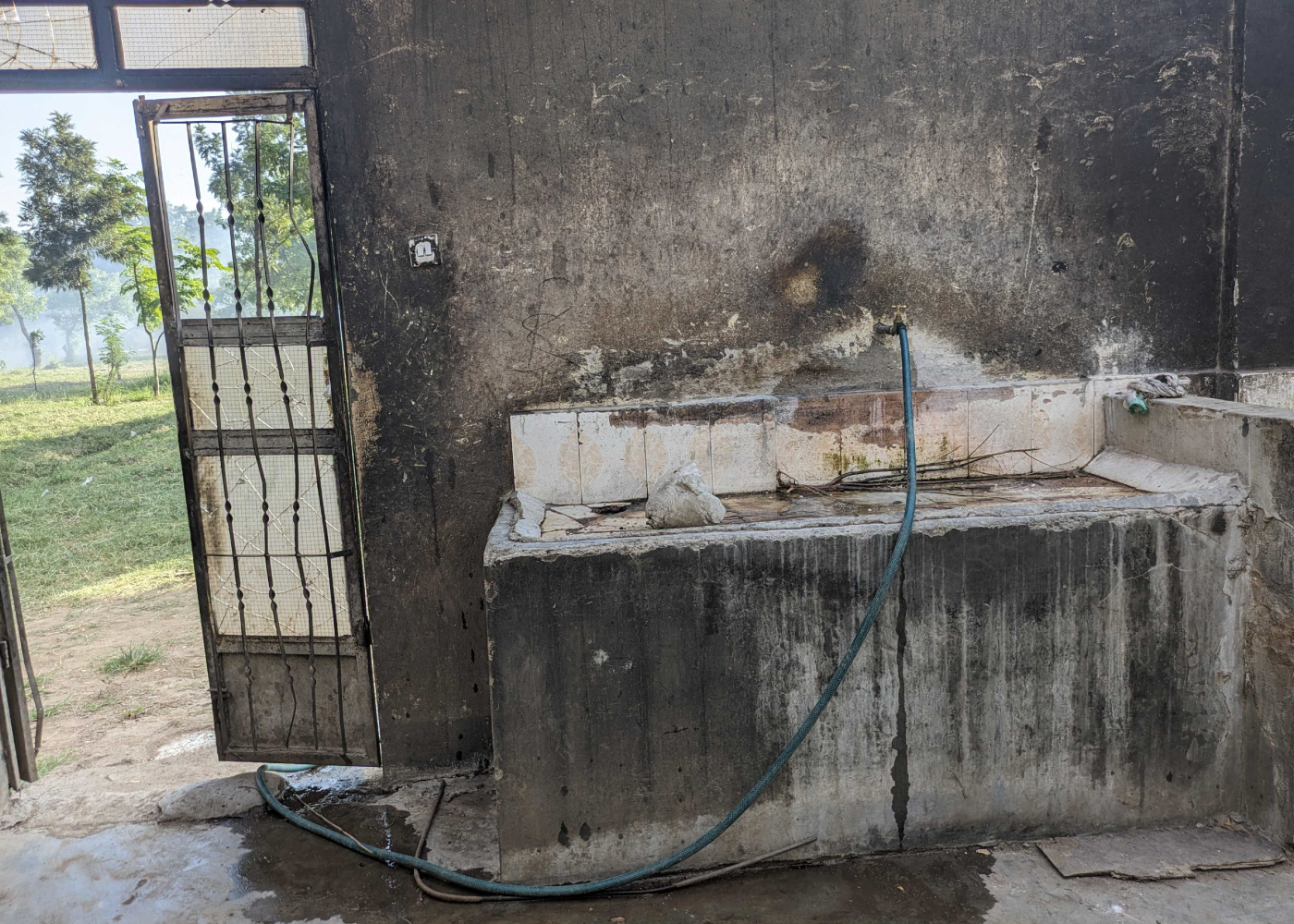
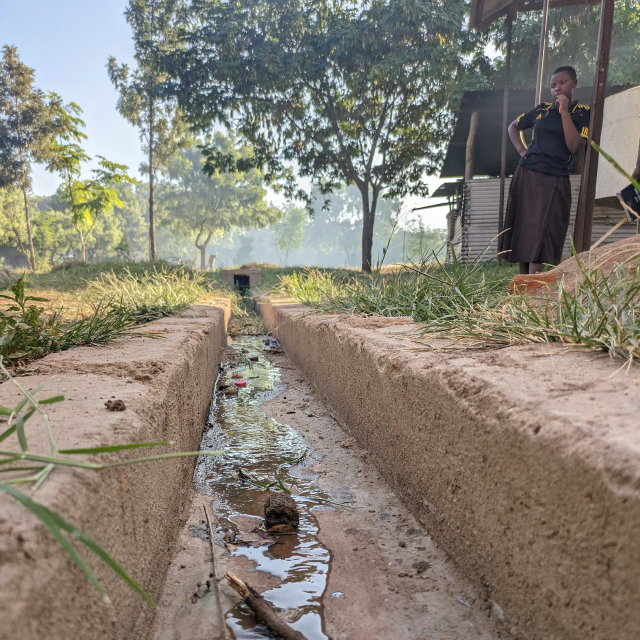
In the heart of a Tanzanian secondary school, a student design group identified a design issue within the kitchen area on the boarding school campus. The absence of a proper drainage system to carry the water away from the kitchen resulted in water pooling in the grass, accompanied by waste, creating a contaminated environment and attracting mosquitoes. Eager to address this issue, students took the initiative to devise innovative kitchen drain upgrades, embarking on a journey to enhance both functionality and hygiene.
Project Highlights
Designers and Supporters
8 Mtakuja Form 3 student designers, 1 school mentor, financial support from school administration, 2 TDP designers
Timeline
4 months of design; 6 months of solution implementation and construction
Users Impacted
185 students; 8 teachers and administration
Location
Mtakuja Secondary School-Opportunity Education Network School, Mtakuja, Tanzania

Identification
The initial state of the kitchen’s water and waste management posed significant problems for the students. With water and waste accumulating in the grass, it jeopardized the overall hygiene of the kitchen space. It also became a breeding ground for mosquitoes that impacted the daily learning environment for students. Recognizing the urgency of the situation, two student design groups focused on this as their core problem and designed a solution to improve the school environment for students and the administration on the campus.

Empathy
The student designers interviewed people affected by the poor state of the kitchen‘s water management to fully understand the extent of the problem. The following groups were interviewed by the design students:
- School Cooks: This group was interviewed as the primary users of the kitchen area, and they were the ones that provided the most holistic understanding of the kitchen drainage conditions and their implications.
- Fellow Students: This group was interviewed as the main users of the kitchen space. Students would eat around the kitchen area and walk around the drain system regularly to get to other buildings on the campus.
- Teachers & Administrators: This group was interviewed as they ate from the school kitchen and provided a unique perspective on the impact of the drain system on administration, guests, and students.
Students asked the following questions to empathize with the community at Mtakuja Secondary School:
- What do you think about waste management in the school kitchen?
- How are you affected by poor waste management in the kitchen area?
- What do you think can be done to solve the existing problem?
Design Group 1: Paving the Way for Change
The first design group envisioned a solution to pave a designated area for water to flow away from the kitchen, aiming to eliminate the immediate pooling issue. While this step proved effective in preventing water accumulation around the kitchen, it became evident that a crucial aspect was overlooked—there was no clear endpoint for the water, leaving the system incomplete.
Design Group 2: Digging Deeper for a Comprehensive Solution
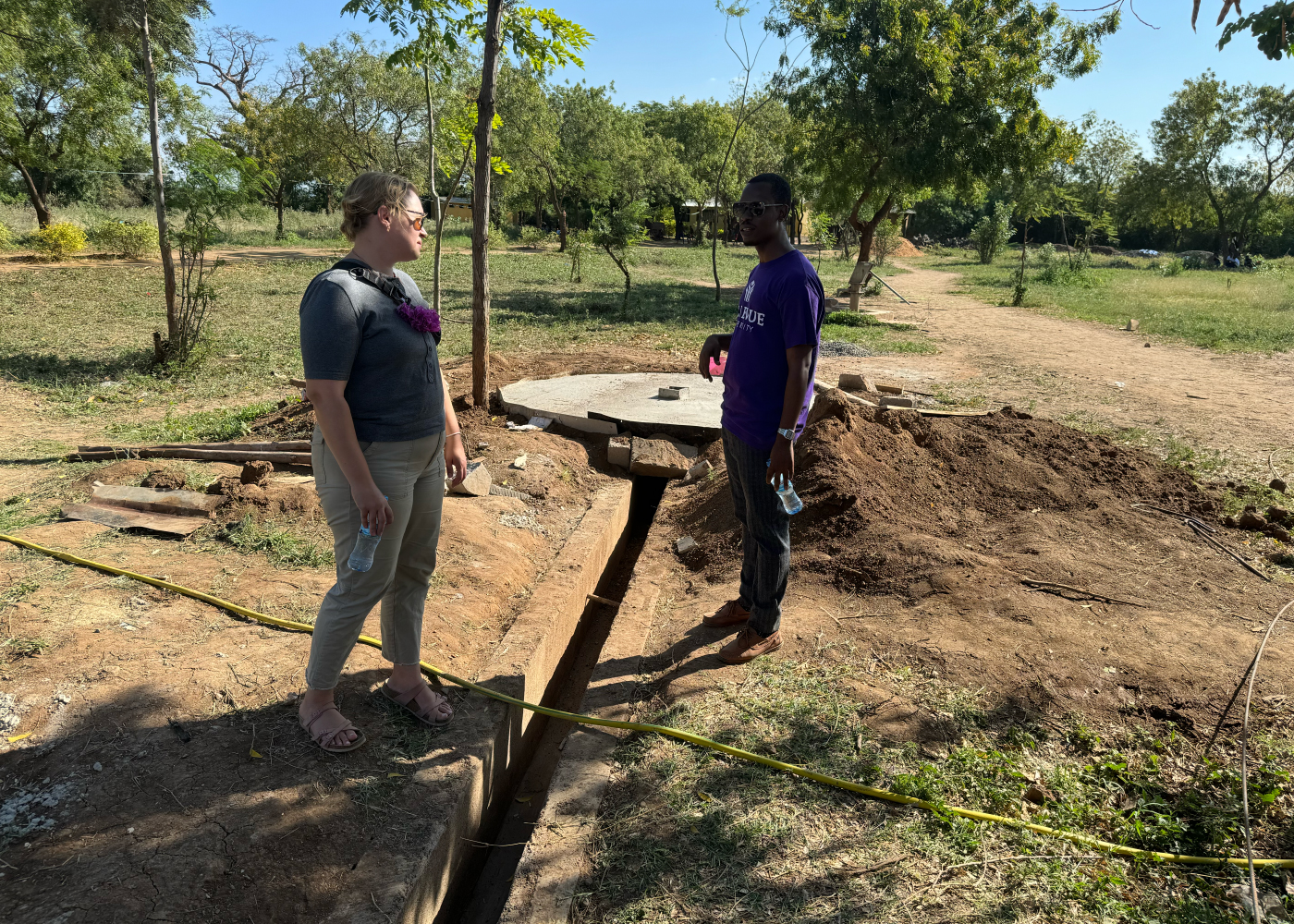
Understanding the limitations of the initial proposal, a second group built on this first-round solution to propose a more comprehensive plan. They suggested digging a deeper drain pathway, ensuring it was not only deeper but also connected to a proper drainage system. This approach aimed to address the root cause of the issue, providing a sustainable and efficient solution for the school’s kitchen drainage challenges by drawing the water and waste away from the building and into an enclosed sewer tank.

Implementation and Impact:
As the students put their proposals into action, the transformation in the kitchen area was tangible. The combination of paving to redirect water flow and a deeper, connected drain system ensured that water was efficiently managed and the overall sanitary conditions around the kitchen were significantly improved. The reduction in mosquito presence further enhanced the well-being of the students and staff.
Lessons Learned:
Through this collaborative design process, the students learned invaluable lessons about the importance of holistic problem-solving. The iterative nature of their proposals highlighted the significance of addressing both immediate issues and their underlying causes. This experience resulted in a practical solution for the school and empowered the students with valuable design thinking and problem-solving skills.
The journey from inadequate kitchen drainage to a well-designed, functional system exemplifies the power of student-led initiatives in creating positive change. The combined efforts of the design groups showcase the impact of thoughtful, community-centric solutions, leaving a lasting mark on the school’s infrastructure and fostering a sense of empowerment among the students.

Design Step Spotlight: Testing and Iterating
In the quest to address the kitchen drainage challenges at the Tanzanian secondary school, the students embraced a crucial aspect of the design thinking process—testing and iterating. This spotlight explores how the students systematically refined their solutions through implementing their designs and experimentation, learning valuable lessons along the way.
Testing Phase 1: Paved Pathway:
The initial testing phase revealed the strengths and limitations of the first design group’s approach. While the paved pathway effectively redirected water and reduced the pooling next to the kitchen, it became evident that a missing endpoint left the system incomplete. This crucial insight prompted the need for further refinement.
Iteration 1: Enhanced Paving and Integration:
Learning from the initial test, the second group iterated on their design by enhancing the paved pathway and integrating it with a designated endpoint. This iterative step aimed to address the shortcomings identified in the initial testing phase.
Testing Phase 2: Deeper Connected Drain:
Simultaneously, the second group initiated testing of their prototype drain. Observing the water management and assessing its connection to a proper drainage system, the students gained valuable insights into the effectiveness of a more comprehensive solution that addressed not only the water flow but also the mosquito breeding due to stagnant water.
Iteration 2: Optimization and Integration:
Building on the feedback from the second testing phase, the group iterated on their design by optimizing the depth of the drain canal and ensuring seamless integration with a proper drainage system—this iterative refinement aimed to create a holistic and sustainable solution. The school administration acknowledged the value of the design and solution for everyone at the school and provided funding and materials to implement the solution properly.