Project: Switching On Innovation
Clever Design to Reroute an Electrical Box to Enhance Electricity and Water Reliability
Design students at Mtakuja Secondary School embarked on a mission to unravel the mysteries behind recurrent power outages that were not due to larger Infrastructure issues that cast shadows on their daily academic lives. This case study explores the innovative solution crafted by students to reroute the electrical box, eliminating circuit shorts, reducing school expenses, and ensuring a more stable power and water supply for everyone on the school campus.
Project Highlights
Designers and Supporters
4 Mtakuja Form 3 student designers, 1 school mentor, 1 facility manager, 1 electrical technician, 2 TDP designers
Timeline
4 months of design; 2 months of solution implementation
Users Impacted
185 students; 8 teachers and administration
Location
Mtakuja Secondary School-Opportunity Education Network School, Mtakuja, Tanzania

Identification
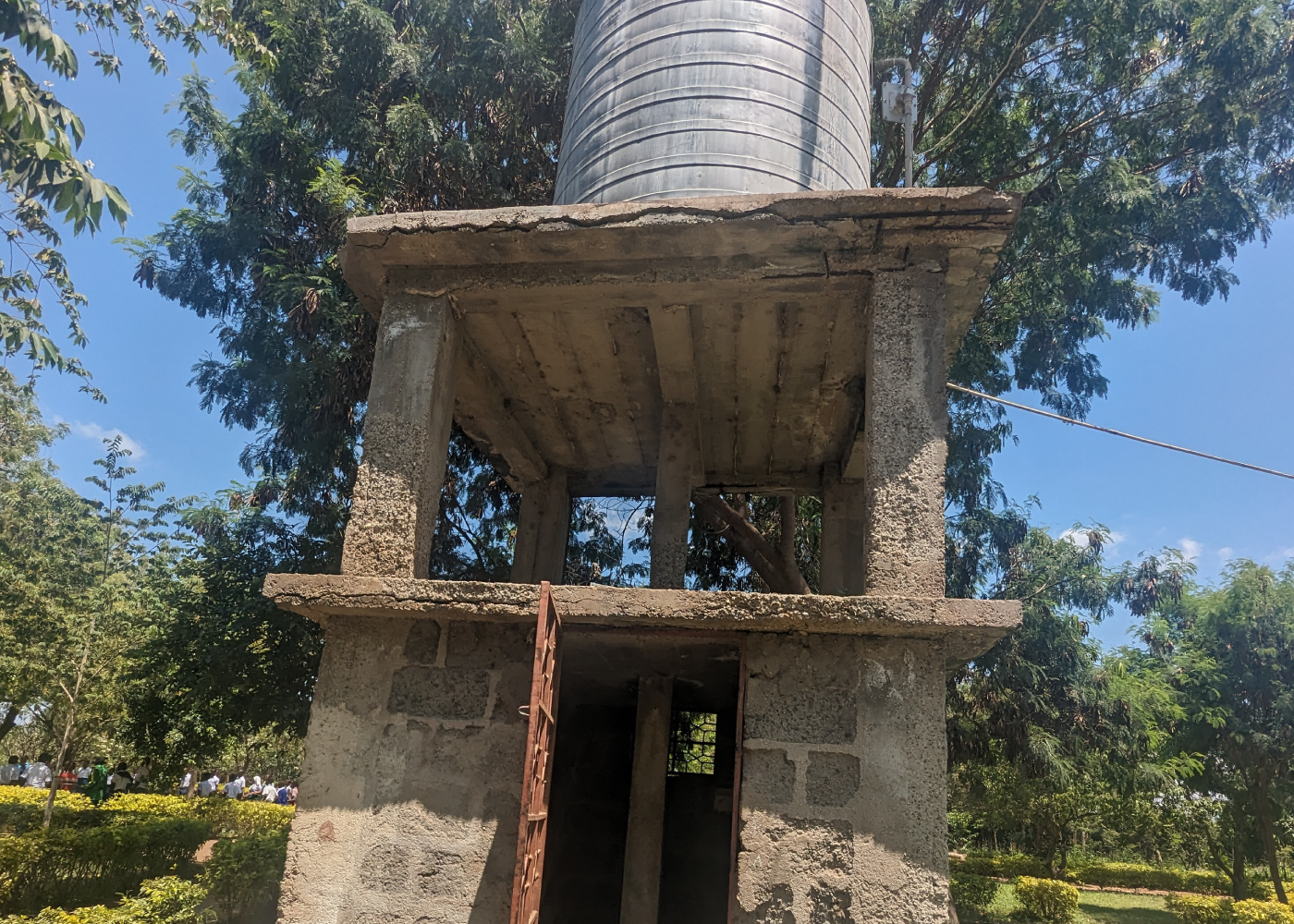
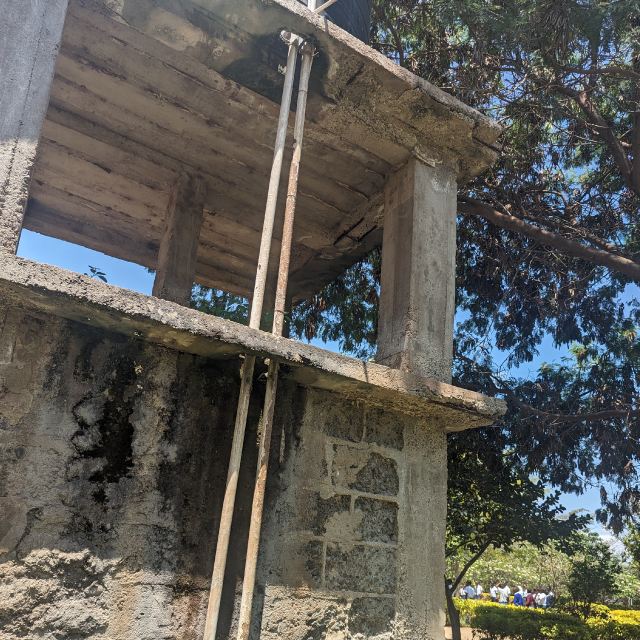
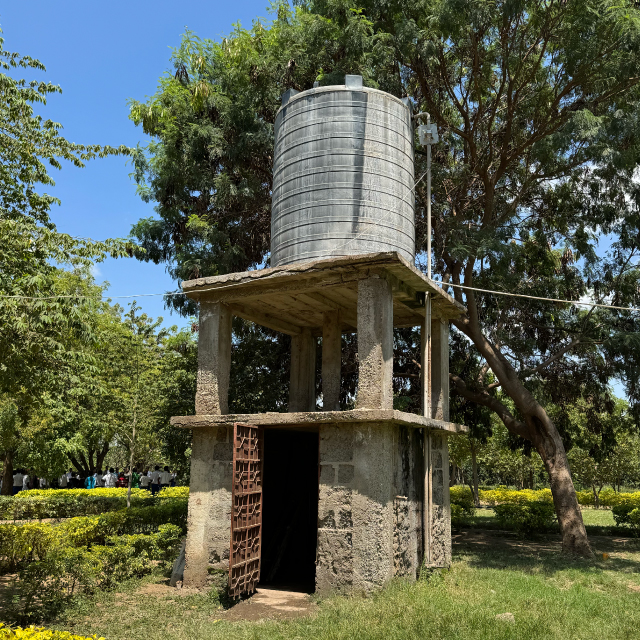
The design students keenly observed disruptions frequently punctuating their daily lives – unannounced power outages casting shadows over classrooms and extracurricular activities. As the design students delved into the depths of their community design challenge, instead of attributing the issue solely to uncontrollable infrastructure challenges, they focused on tracking down the source within their reach. Their exploration led them to an unexpected culprit: an electrical circuit box beneath the school’s water tank shed.
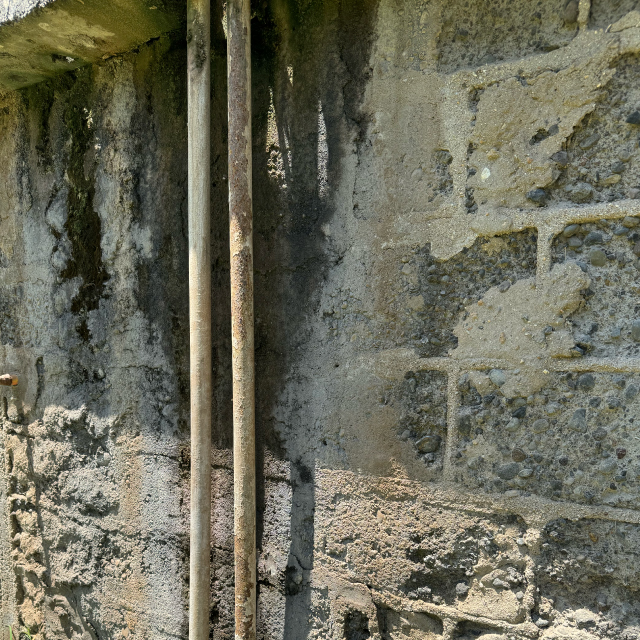
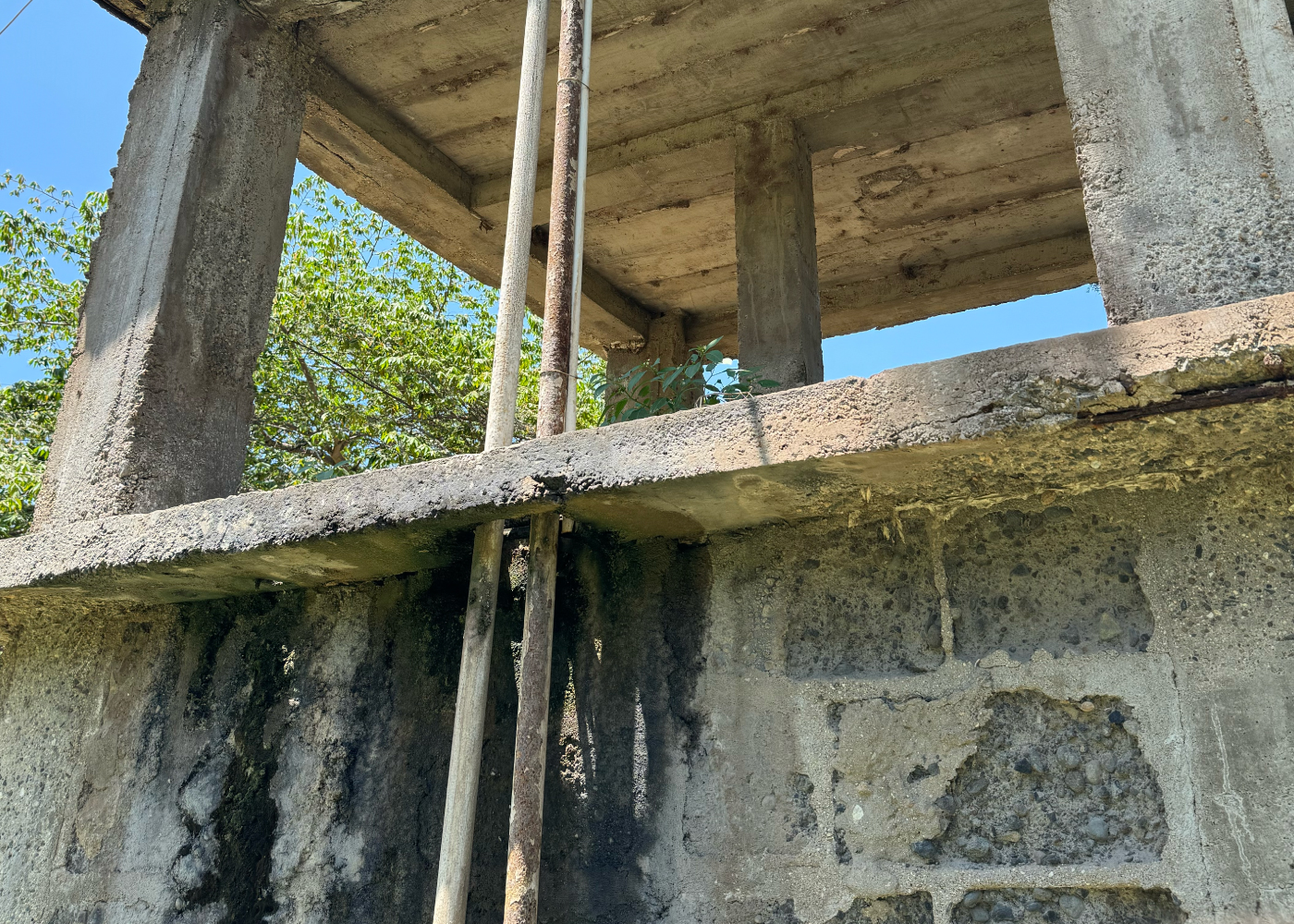
The unsuspecting location proved to be a crucial source of instability. During instances of overflowing water from the tank, droplets seeped into the shed, infiltrating the wall housing the electrical breaker. The consequence was frequent circuit shorts that caused additional electrical unsteadiness, incurred unforeseen expenses in the form of damaged fuses, and stopped the water flow on campus.

Empathy
The design team engaged with various user groups to fully grasp the impact of these power outages. Students, school administration, and the facility manager were interviewed to gain a comprehensive understanding of their experiences.
- Student Peers shared tales of interrupted studies, the frustration of sudden darkness, and a lack of water. A critical challenge of power outage for the students was that they had to go out of school in search of water, which impacted their study time and was also physically taxing because they were carrying buckets of water on their heads.
- School Administration shed light on the administrative hurdles brought about by frequent power outages, impacting daily operations to support students, prepare food, and access technology.
- Maintenance Manager provided insights into the challenges faced in maintaining school facilities, the specific vulnerabilities posed by the current electrical box location, and the cost associated with frequent replacement of the impacted fuses having to be replaced at least twice a month.
Some of the interview questions that were asked of the Mtakuja Secondary School community to get gain insights to their experience around the problem and help drive the designed solution:
- How have power outages affected you in school activities?
- Can you share specific instances where you experienced disruptions due to circuit shorts?
- What financial challenges have the school faced due to the recurring need for fuse replacements?
- How do power outages affect your ability to maintain and manage school facilities?
- Can you identify specific areas where the current electrical box location poses challenges for facility maintenance?

Implementation and Impact:
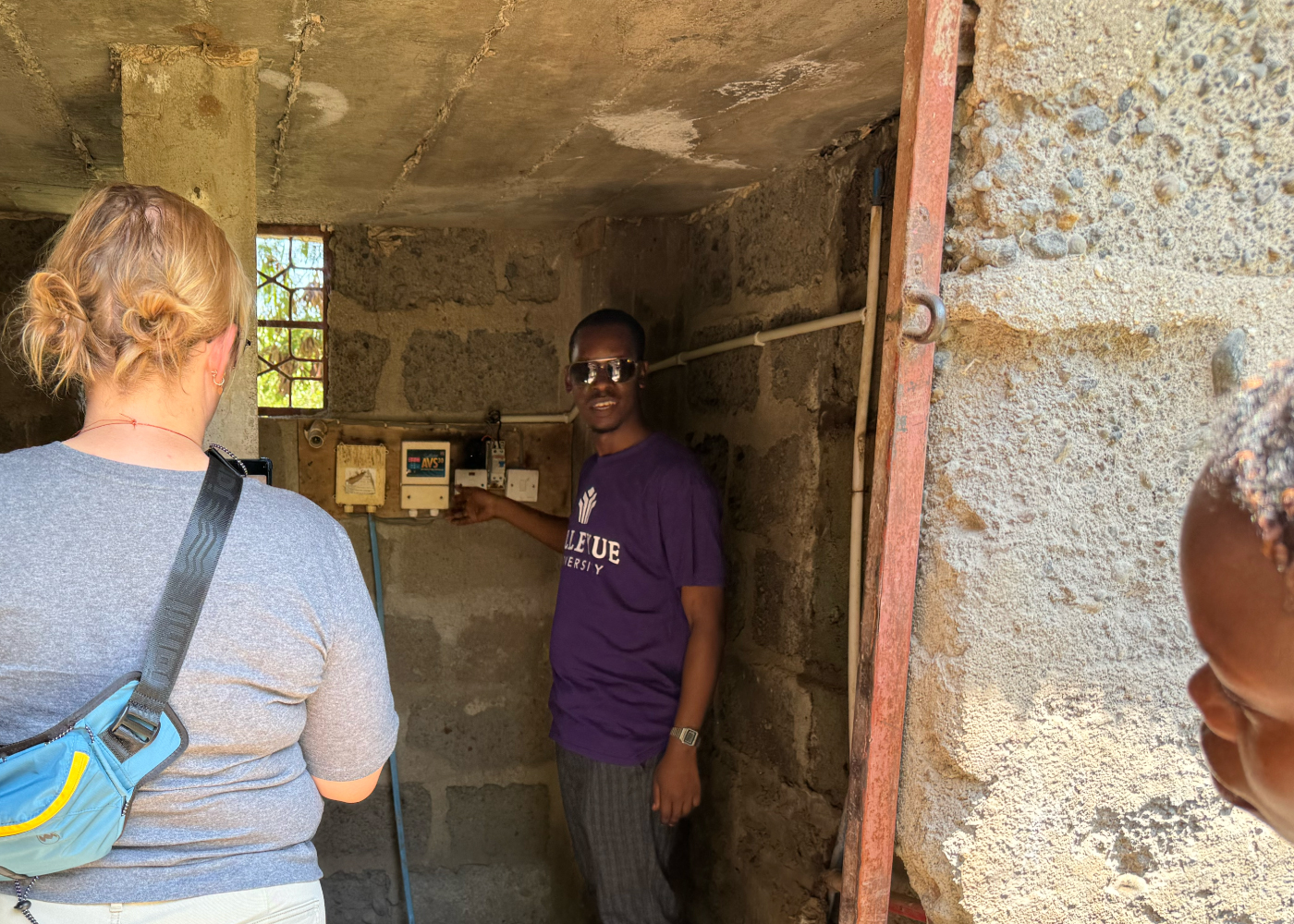
The electrical box was ultimately relocated to an adjacent wall as part of the student design team’s research and design proposal. This adjustment shielded the electrical box from the detrimental impact of water overflow. However, the solution implementation was not met without barriers for students to overcome. It was through their confidence, resolve, and persistence that the solution was brought to fruition, and the entire campus found relief from frequent power outages.
Overcoming Barriers to Implementation:
The idea of relocating the electrical box was presented to the maintenance manager. First, discussions about the new design were initially met with hesitation as the maintenance manager suspected that simply relocating the electrical box could not solve the problem, and therefore, they were hesitant to route funds and resources to implement the solution.
While this barrier can be frustrating, it is actually a valuable learning process for design students to consider how they can gain buy-in and support as well as how they might better communicate the value and importance of the solution. The design students quickly adapted and decided to take a new approach by bringing in other leaders at the school to advocate and partner with them in communicating the value of the design. The students brought in their design mentor, Mussa Challa, to their efforts to gain buy-in and asked him to speak to the maintenance manager. After these additional discussions that addressed various reservations and concerns, the maintenance manager called the electric technician to meet with the students.
The technician estimated the whole project cost to be 15 USD, equivalent to 37,500/= Tanzania shillings. Having a tangible cost of the project, the students and their mentor chose to fund this project themselves.
The budget for the design included:
- 2 Meters of wire for extension
- PVC pipe for shielding the wire
- ¼ Kg of Nails

Design Step Spotlight: Ideation
Ideation: Pioneering Solutions from Empathy-Driven Insights
Empowered by their exploration and enriched by diverse perspectives during the empathy phase, the students channeled their creativity into ideation. The design group envisioned a variety of transformative solutions:
- Alternative power sources, such as solar energy, to be used when the power is out.
- Purchase a large reserve water tank for use when the power is out and there is no running water throughout the school.
- Relocate the circuit breaker to avoid a power outage due to a short circuit.
- Purchase an updated circuit breaker that is better than the ones currently being used.
After additional discussions with various users and stakeholders to gain a holistic understanding of the impact and technical logistics around the problem, the students agreed that idea number 3 was the best idea to move forward into the prototype, test, and implementation phases.
Key Steps in Ideation:
Divergent Thinking: Encourage a broad spectrum of ideas, fostering creativity.
Collaborative Brainstorming: Leverage the collective intelligence of the design team.
Feasibility Assessment: Evaluate the practicality and potential impact of each proposed solution.
The ideation phase exemplifies the power of creativity fueled by empathy, a crucial step in the design thinking process that paved the way for the impactful solution implemented at the Tanzanian secondary school.