Project: From Discarded Desks to Dynamic Study Areas
Creating a Sustainable and Collaborative Campus Space
At Mtakuja Secondary School in Tanzania, a group of five innovative design students identified a significant need for an outdoor study station that would enhance collaborative learning, protect school resources, and make better use of underutilized spaces. Indoor classrooms were often overcrowded, and the frequent practice of moving desks outdoors for study groups led to damage from exposure to the elements. Broken and discarded desks and other materials littered the campus, creating clutter and wasted potential.
Motivated by the principles of design thinking, the students embarked on a project to create a sustainable, cost-effective, and functional outdoor learning space. Their solution transformed an unused area of the campus into a vibrant study station while addressing practical concerns about airflow, durability, and environmental impact.
Project Highlights
Designers and Supporters
6 Mtakuja Form 3 student designers, 1 school mentor, financial support from school administration and donors, local welding and engineering experts, 2 TZDP designers
Timeline
5 months of design; 4 months of solution implementation and construction
Users Impacted
185 students; 8 teachers and administration
Location
Mtakuja Secondary School, Mtakuja, Tanzania

Identification
The project began with the students investigating common challenges affecting their peers and the school environment. They discovered:
- Overcrowded Classrooms: The lack of adequate indoor space limited opportunities for group
study and collaboration. - Damage to Desks: Desks moved outdoors were often left exposed to rain and sun, leading to
wear and tear. - Wasted Materials: Discarded or damaged school resources, including desks and wood,
created clutter on campus.
Rather than focusing on large infrastructure issues beyond their control, the team decided to tackle this manageable, high-impact problem by designing a practical solution to serve the entire school community.

Empathy
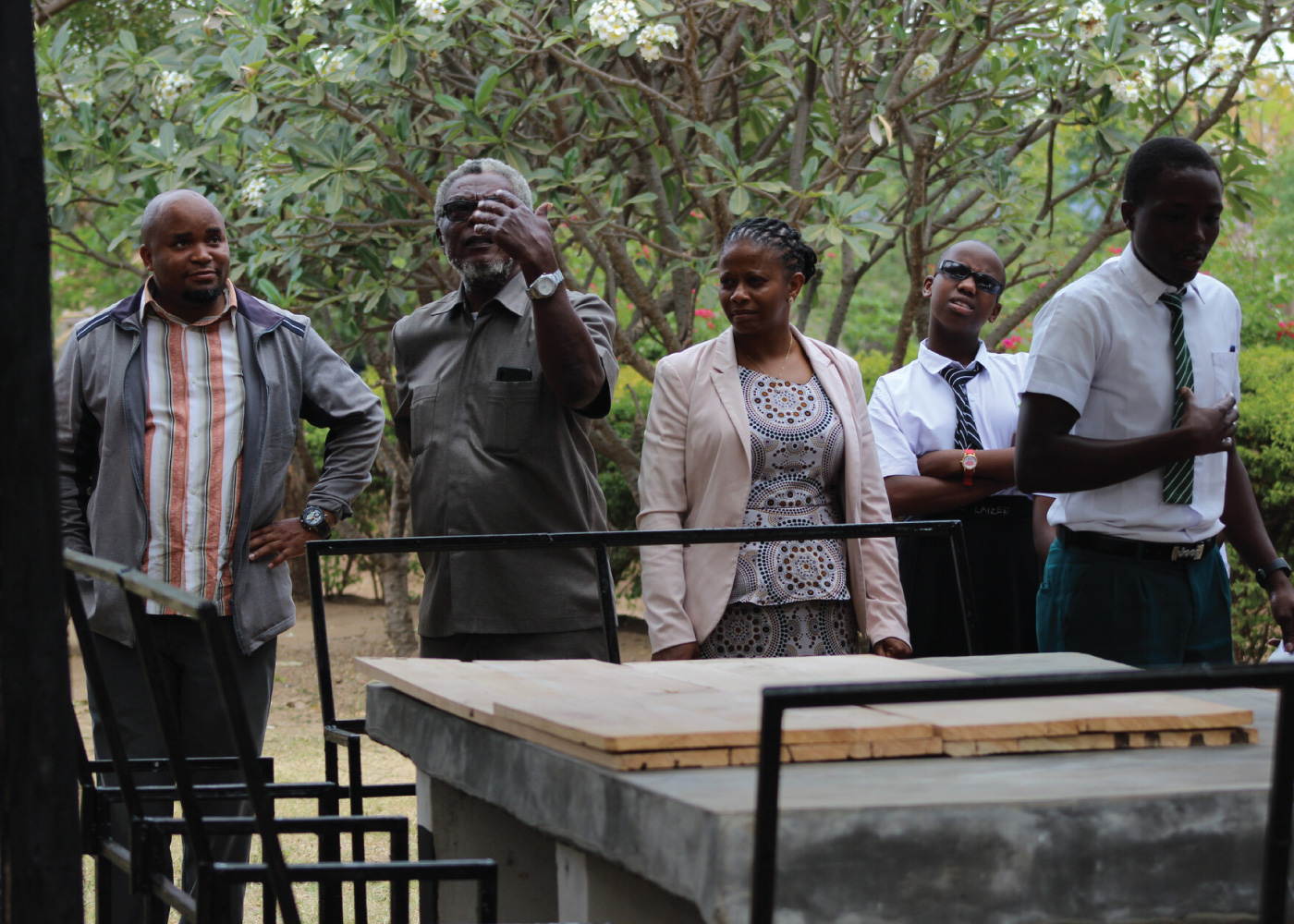
To better understand the needs and priorities of their school community, the students conducted interviews and discussions with key users and stakeholders:
- Students: Emphasized the importance of a comfortable and weather-protected study space
that would not encroach on shaded areas under trees used for casual gatherings or play. - School Administration and Board Members: Stressed the need for a durable, permanent structure that could withstand regular use and discourage removal or damage.
- Local Experts (Engineers and Welders): Provided insights into cost-effective construction methods, use of recycled materials, and durability.
- School Staff and Campus Maintenance: Highlighted the opportunity to repurpose discarded materials, reducing waste while minimizing construction costs.
The team synthesized these insights to design a study station that balanced functionality, sustainability, and budget considerations.
Sample of Initial Questions to Understand the Problem
1. Students:
- What challenges do you face when studying outdoors?
- What features would make an outdoor study space more comfortable?
2 . Teachers and Administrators:
- What issues arise with students studying outside?
- What are your concerns about creating an outdoor study area?
3. Maintenance Staff:
- What happens to desks and materials left outside?
- How could we make this project a reality at our school? What are potential obstacles?
Evolved Questions During the Project
1. Students:
- What are potential reasons you might choose to use or not use an outdoor study area?
- How important is location or shade for outdoor studying?
2 . Teachers and Administrators:
- What would be a reason you would use or not use an outdoor space for students in your
classes during the day? - How could an outdoor space support collaborative learning?
3. Maintenance Staff:
- What durable materials could we use within our budget?
- How can we ensure the structure is secure and low-maintenance?
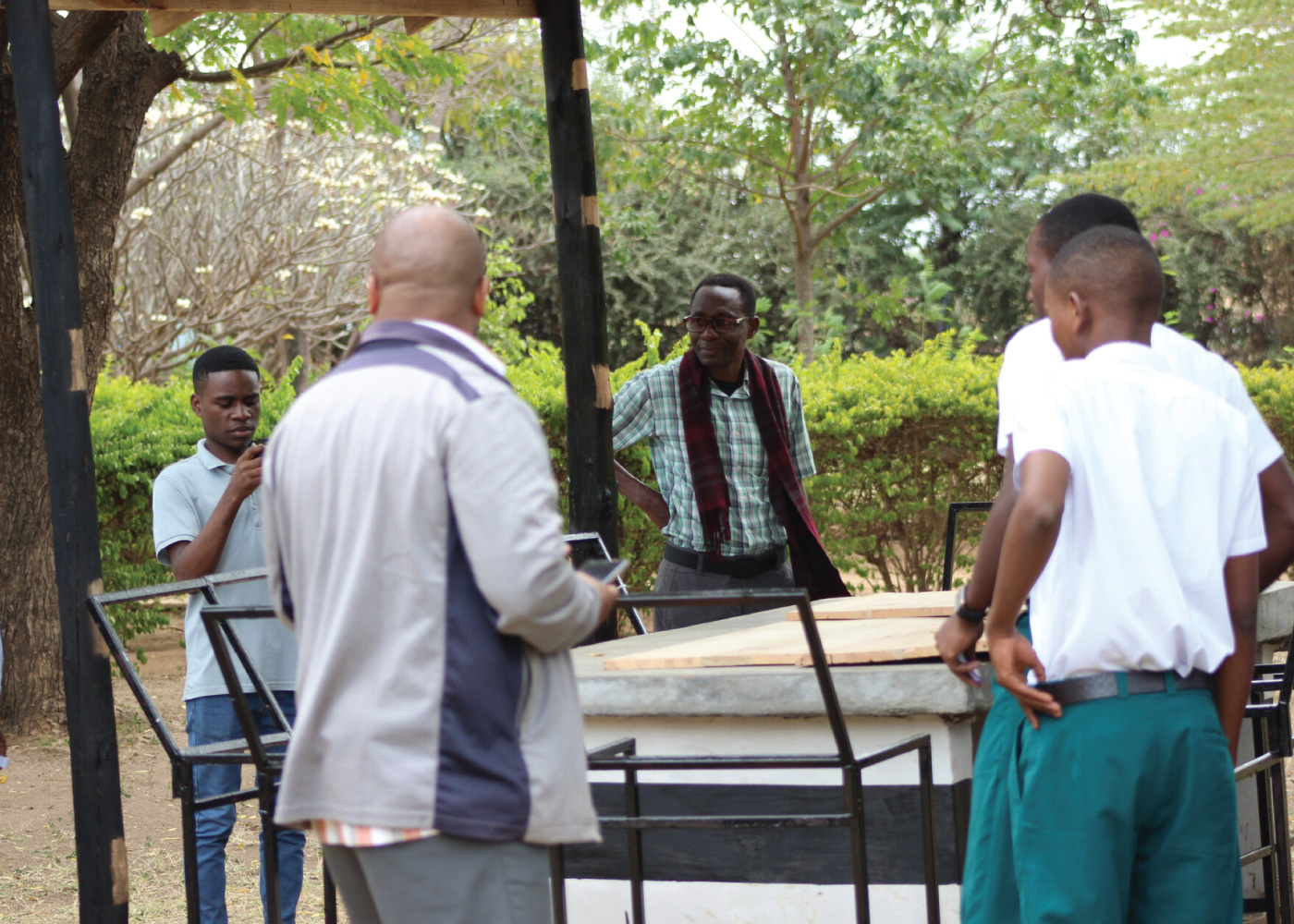

Implementation and Impact:
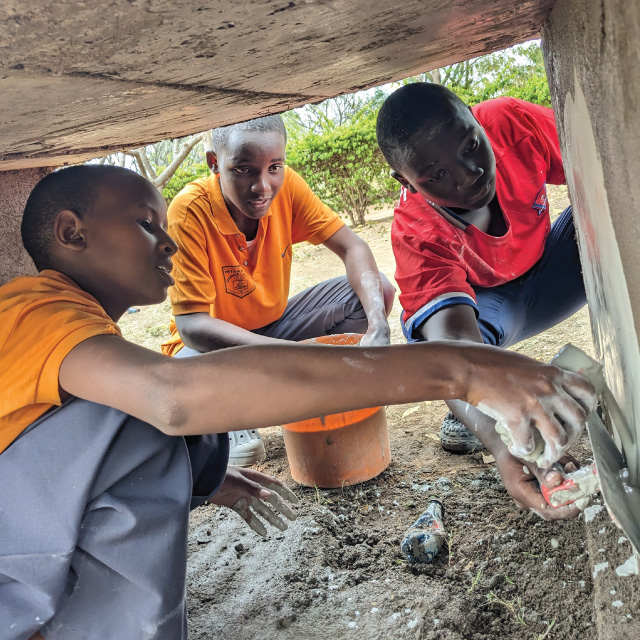
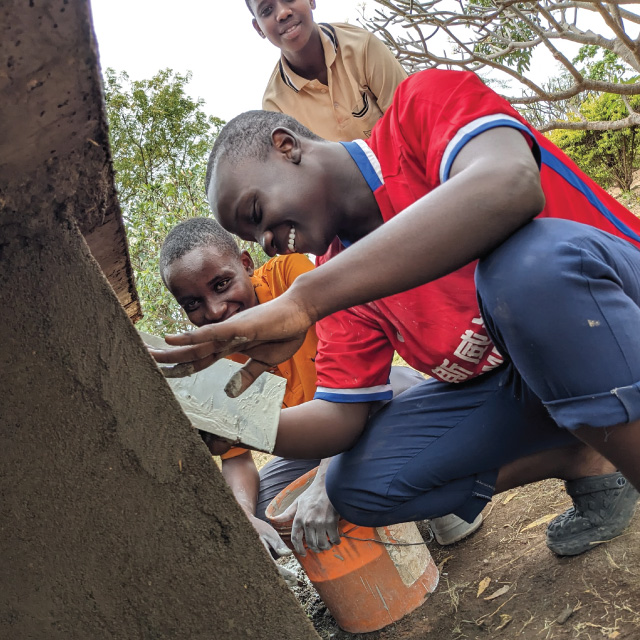
With a clear understanding of community needs and a detailed plan in place, the students sourced materials and secured funding to construct the outdoor study station. By collaborating with local experts and leveraging recycled materials, they minimized costs and
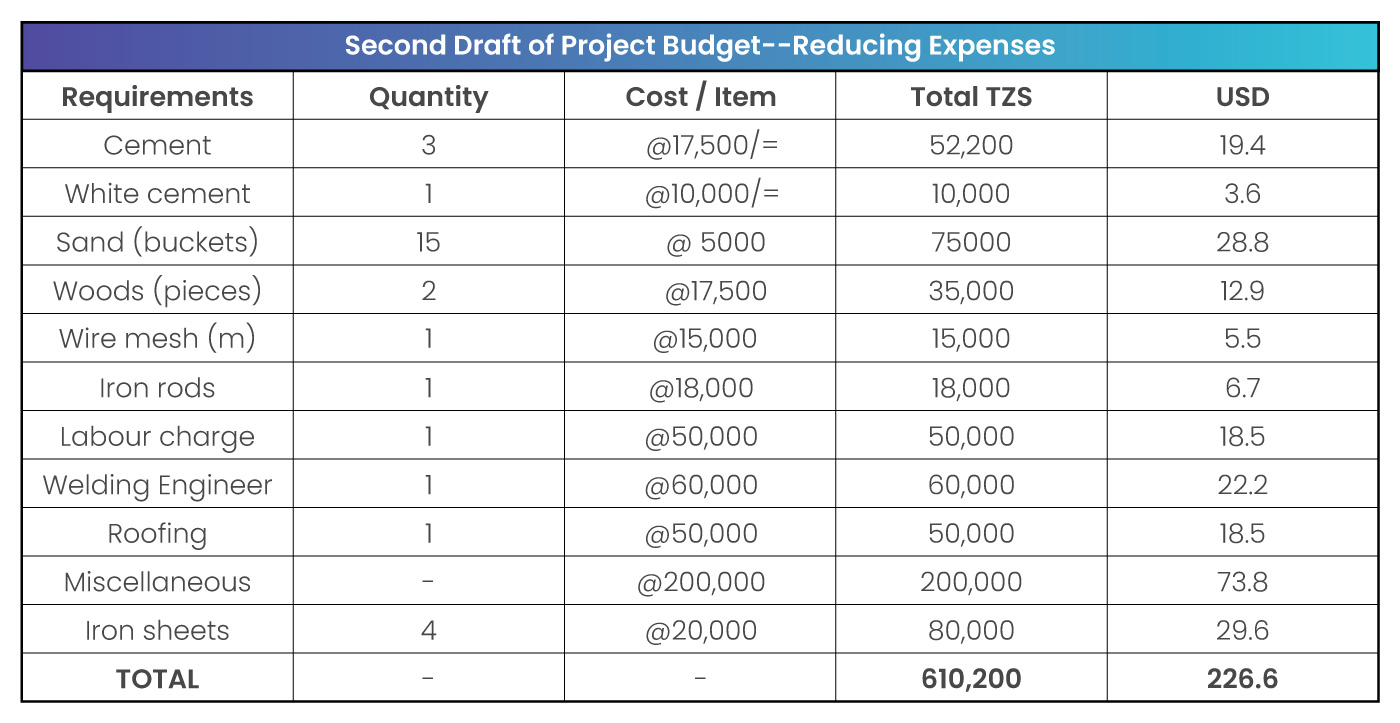
completed the project for just 226 USD.
Detailed Budget and Materials Used:

Key Features of the Final Design: Budgeting and Resource Optimization
A key success factor in this project was the team’s approach to budgeting and resource optimization. By meeting with local experts and stakeholders, the students:
- Identified Cost-Saving Opportunities: Leveraged recycled materials and collaborated with local professionals to minimize labor and material costs.
- Created a Detailed Budget: Presented a transparent and comprehensive budget that secured approval and funding from school administrators and donors. Having this clear implementation plan, demonstrated the design group’s knowledge or the project and a realistic ask.
- Maximized Resources: Successfully turned discarded items into valuable building materials, ensuring sustainability and reducing environmental impact.
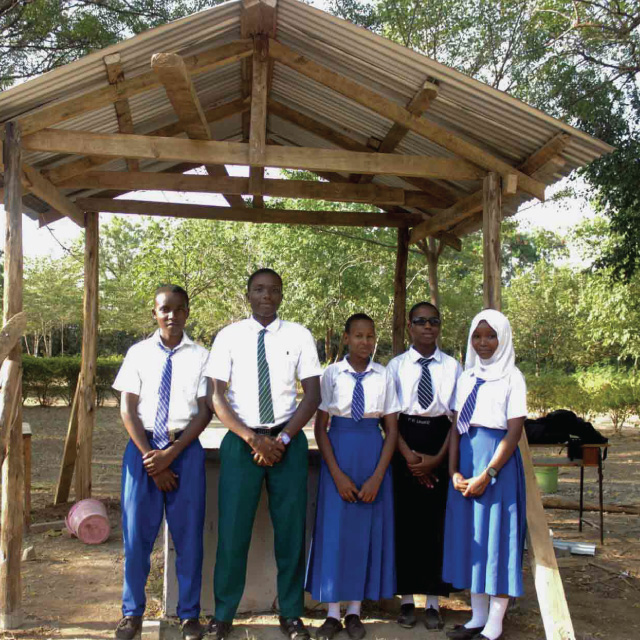
The collaborative effort resulted in a durable and functional space that aligned with the community’s needs and values by incorporating:
1. Permanent Structure: Built with durable materials, the station was designed to resist wear and damage over time.
2. Roofed Shelter: A roof provides shade and protection from rain, ensuring year-round usability.
3. Recycled Materials: Repurposing discarded desks and wood reduced waste and saved costs.
4. Strategic Placement: The station’s location preserved existing shaded areas for casual student use.

Design Step Spotlight: Blending Empathize and Define for Holistic Solutions
In the 7-step design process, the journey to creating an impactful solution often requires flexibility and revisiting steps in a non-linear way. For the outdoor study station project at Mtakuja Secondary School, the success of the design hinged on a thoughtful combination of Empathize and Define, working together to create a deep understanding of the problem and a clear framework for addressing it.
Empathize: Listening to the Community
The students began by engaging with a diverse group of stakeholders, including their peers, school staff, campus maintenance workers, and local experts. They asked open-ended questions to uncover not just the surface issues but also the underlying needs.
This step revealed critical insights. Students wanted a space that felt permanent, large enough for group work, and was protected from the weather. Teachers and administrators emphasized the need for durability and minimal disruption to existing shaded areas. Maintenance staff highlighted the wasted potential of discarded desks and wood scattered across the school grounds.
Define: Framing the Problem
Armed with these insights, the team moved to the Define stage, where they synthesized what they had learned into a clear, actionable problem statement. They reframed the initial challenge of creating an outdoor study space into a broader goal:
“How might we create a durable, weather-protected outdoor study area that minimizes costs, reduces waste, and respects existing campus spaces?”
By blending these two steps, the students avoided the pitfall of rushing to ideation and prototyping without fully understanding the problem. The empathy they built in the first step informed a problem statement that was inclusive of the diverse needs of the community, ensuring their design solution addressed the problem in a sustainable and holistic way.
The Non-Linear Approach: Revisiting Empathy
As the project progressed, the team revisited the Empathize step during implementation. They consulted local engineers and welders to understand how to repurpose the discarded materials effectively, and they sought feedback from school board members to refine their proposed budget to ensure they reduced out of pocket expenses as much as possible and increase the likelihood of securing donations. This iterative approach ensured that their solution evolved with input from those directly impacted by it.
By weaving Empathize and Define together, the students created a strong foundation for their outdoor study station. This combination exemplifies the flexibility of the design process and underscores the importance of building solutions rooted in both understanding and clarity.